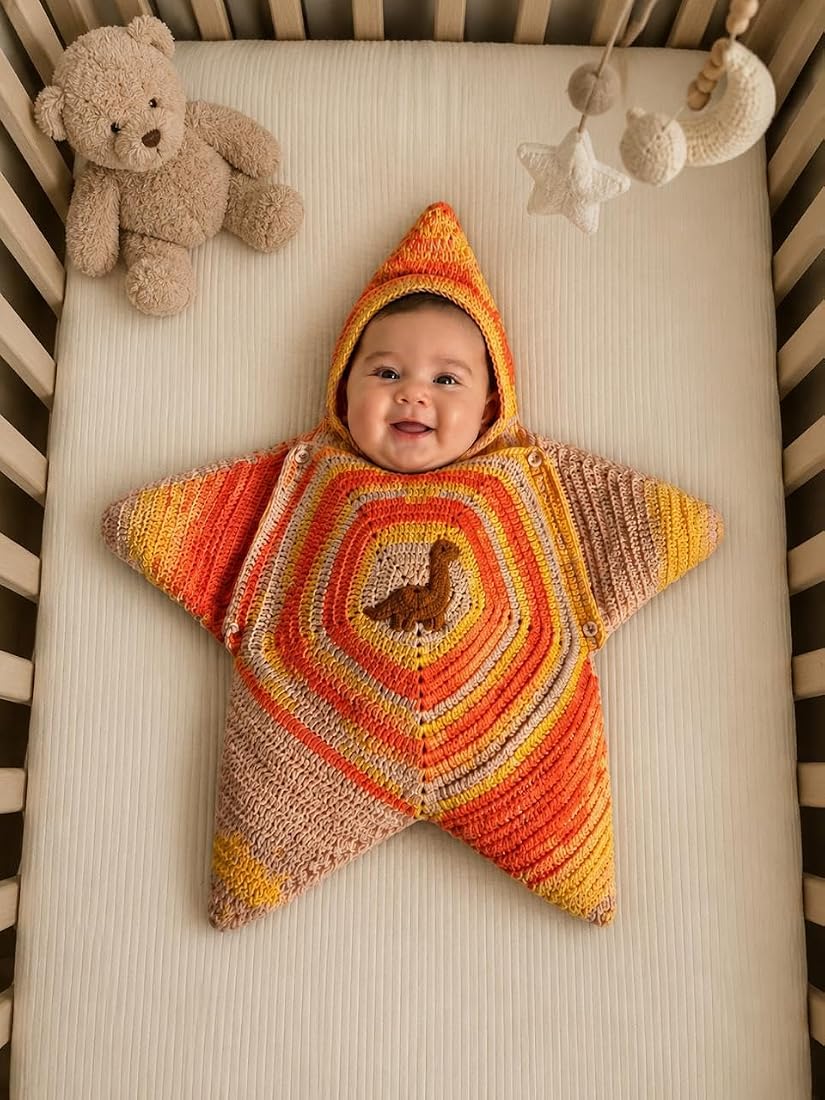
A crochet baby cocoon is soft, cozy, and often made with delicate yarn that needs a little extra care. Whether you use it for everyday photos, a special newborn photoshoot, or as a keepsake, washing it the wrong way can cause the yarn to stretch, lose its shape, or feel different afterward.
The good news is that caring for a crochet item doesn’t have to be complicated. The most important thing is knowing what the cocoon is made from before putting it in water. Cotton, acrylic, wool, and blended yarns can all have different care needs.
If you have a handmade [crochet baby cocoon], taking a few minutes to check the material and washing instructions can help keep it soft and beautiful for longer. This is especially important for delicate items used as [newborn photography props], where the shape and texture can make a big difference in the final photos.
Here is how to clean and care for your crochet baby cocoon without causing unnecessary damage.
1. Check the Care Instructions Before Washing
Before washing your crochet baby cocoon, take a moment to check the care label or any instructions provided by the maker.
This step matters because not all yarn reacts to water and heat in the same way. A cocoon made from cotton may have different washing needs than one made from wool or a delicate yarn blend.
If you purchased a [handmade baby cocoon], the product description or care instructions may tell you whether it should be hand washed, machine washed on a gentle cycle, or cleaned using another method.
Pay attention to three things:
- The type of yarn: Cotton, acrylic, wool, and blended yarns can all require different care.
- The recommended water temperature: Hot water may not be suitable for every type of fiber.
- Drying instructions: Some crochet items should be laid flat to dry to help them keep their original shape.
If there is no care label, it is usually better to take the gentler approach rather than assuming the cocoon can handle a regular washing cycle.
This is particularly important for a [newborn star cocoon] or other detailed crochet design. Handmade stitches can stretch or become misshapen when the item is washed too roughly.
When you’re unsure about the material, hand washing with gentle care is often a safer starting point than using a standard washing machine cycle.
2. How to Hand Wash a Crochet Baby Cocoon
Hand washing is often the gentlest way to clean a crochet baby cocoon, especially when the item is handmade or made with delicate yarn. It gives you better control over the amount of pressure, water temperature, and handling throughout the washing process.
Step 1: Fill a Basin With Cool or Lukewarm Water
Start with a clean basin or sink and fill it with cool or lukewarm water. Avoid hot water unless the care instructions specifically recommend it.
Add a small amount of mild, gentle detergent and mix it into the water before placing the cocoon inside.
Step 2: Soak the Cocoon
Gently place the crochet cocoon into the water and allow it to become fully saturated.
Let it soak for several minutes so the water and detergent can loosen dirt, dust, or small stains. There is usually no need to leave it soaking for a long time.
Step 3: Wash It Gently
Move the cocoon slowly through the water using your hands. For areas that need extra attention, gently press the fabric rather than scrubbing or rubbing it aggressively.
Crochet stitches can stretch when they are pulled or handled roughly, so gentle movement is especially important for detailed designs such as a [crochet baby cocoon] or [crochet newborn cocoon].
Step 4: Rinse Thoroughly
Drain the soapy water and refill the basin with clean water. Gently move the cocoon through the water to remove the detergent.
Repeat this process until the water remains clear and there is no visible soap left in the yarn.
Step 5: Remove Excess Water Without Wringing
Never twist or wring a wet crochet cocoon to remove water. The weight of the wet yarn combined with twisting can stretch the stitches and change the shape.
Instead, gently press the cocoon between your hands to release some of the water. You can then place it on a clean, dry towel and roll the towel around it, pressing lightly to absorb additional moisture.
Step 6: Reshape Before Drying
Once excess water has been removed, gently reshape the cocoon while it is still damp.
Smooth out the edges and return it to its original shape without pulling the stitches. This small step can help the cocoon look neat and properly shaped once it has completely dried.
3. Can You Machine Wash a Crochet Baby Cocoon?
Whether you can machine wash a crochet baby cocoon depends mainly on the type of yarn and the care instructions provided with the item.
Some crochet cocoons made from durable yarn may tolerate a gentle machine-washing cycle, while delicate handmade pieces may be better suited to hand washing. When there is any doubt, check the care label first.
If machine washing is allowed, use the gentlest settings available:
- Choose a cold or cool water cycle.
- Use the delicate or gentle cycle.
- Place the cocoon inside a mesh laundry bag for extra protection.
- Use a small amount of mild detergent.
- Avoid washing it with heavy items such as towels, jeans, or clothing with zippers.
A mesh laundry bag can help prevent the crochet stitches from catching on other items inside the washing machine. It is particularly useful for detailed pieces such as a [crochet newborn cocoon] or a [star baby cocoon].
Avoid regular or heavy-duty cycles, even when the yarn itself is machine washable. Strong agitation can put unnecessary stress on crochet stitches and may cause the cocoon to stretch or lose its shape.
What About the Spin Cycle?
A high-speed spin cycle can be harder on delicate crochet than necessary. When the care instructions allow machine washing, choose a lower spin setting when possible.
Once the cycle is finished, remove the cocoon promptly rather than leaving it sitting wet inside the machine. Gently reshape it before laying it flat to dry.
For handmade newborn items, the safest approach is usually to treat them more gently than ordinary clothing. A little extra care can help preserve the softness, shape, and handmade appearance of the cocoon for much longer.
4. How to Dry a Crochet Baby Cocoon
Washing is only half of the process. The way you dry a crochet baby cocoon can also affect its shape, softness, and overall appearance.
After washing, avoid hanging the cocoon while it is still soaking wet. Wet yarn becomes heavier, and the extra weight can pull on the crochet stitches and cause the cocoon to stretch.
Instead, gently remove excess water and lay the cocoon flat on a clean, dry towel.
Lay the Cocoon Flat
Place the cocoon on a flat surface and gently reshape it with your hands. Smooth out the edges and make sure the opening and body are returned to their original shape.
This is especially helpful for handmade pieces such as a [handmade baby cocoon], where the crochet stitches may need a little reshaping after washing.
Avoid Twisting or Wringing
Never twist the cocoon tightly to remove water. Doing so can stretch the stitches and may leave the item looking uneven once it dries.
A better method is to place the damp cocoon between clean towels and gently press down to absorb excess moisture.
Keep It Away From High Heat
Avoid placing a crochet baby cocoon directly on a radiator, heater, or other strong heat source. High temperatures may damage or shrink certain types of yarn.
A well-ventilated area away from direct heat is generally a better choice.
Let It Dry Completely
Make sure the cocoon is completely dry before folding or storing it. Moisture trapped inside the yarn can create an unpleasant smell and may encourage mildew.
Once it is fully dry, give it a quick check to make sure the stitches, edges, and overall shape still look the way they should.
Taking a little extra care during drying can help your [newborn star cocoon] stay soft, comfortable, and ready for the next newborn photoshoot.